Key takeaways
- ✦Nanoplasty is a professional hair realignment treatment using low-molecular-weight actives such as amino acids and hydrolysed proteins, sealed with controlled heat.
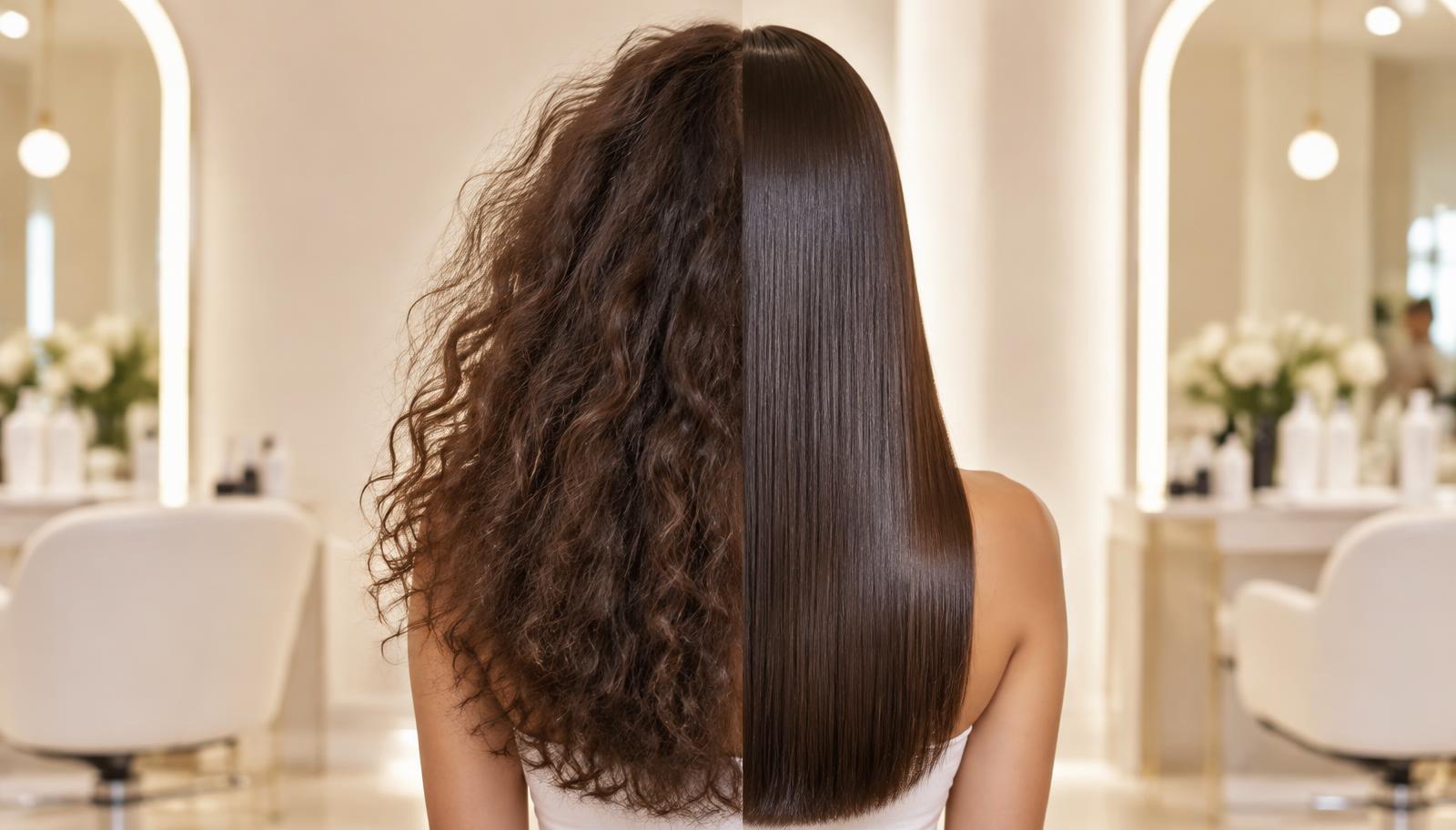
- ✦It acts on both the cortex and the cuticle, so the finish is adjustable: 100% straight, natural anti-frizz or defined curls.
- ✦Processing needs 40–60 minutes once the product is fully distributed; the full service takes two to four hours.
- ✦Results typically last three to six months.
- ✦With a compliant professional line, nanoplasty is formaldehyde-free — always verify the safety data sheet.
What is nanoplasty?
Nanoplasty (nanoplastia in Brazil) is a professional realignment treatment that reduces volume and frizz and restores shine by delivering low-molecular-weight actives — amino acids, proteins and conditioning agents — into the cortex and the cuticle at once, then sealing the new alignment with controlled heat.
Unlike the smoothing systems that dominated salons a decade ago, it is designed to work with the hair’s natural structure rather than break it. For the professional, it means delivering exactly the finish the client asked for, on hair types older treatments used to compromise.
Who is nanoplasty for?
Nanoplasty suits virtually every hair type when the diagnosis is right:
- Thick, frizzy, virgin hair — longer processing on dense areas
- Coarse, resistant or highly textured hair — full technique for a 100% straight finish
- Curly hair wanting definition — lighter processing to keep the curl pattern
- Coloured hair — after a porosity diagnosis
- Bleached or highlighted hair — strand test is mandatory
- Chemically damaged, elastic hair — reconstruct first, then realign
Timing that protects the result
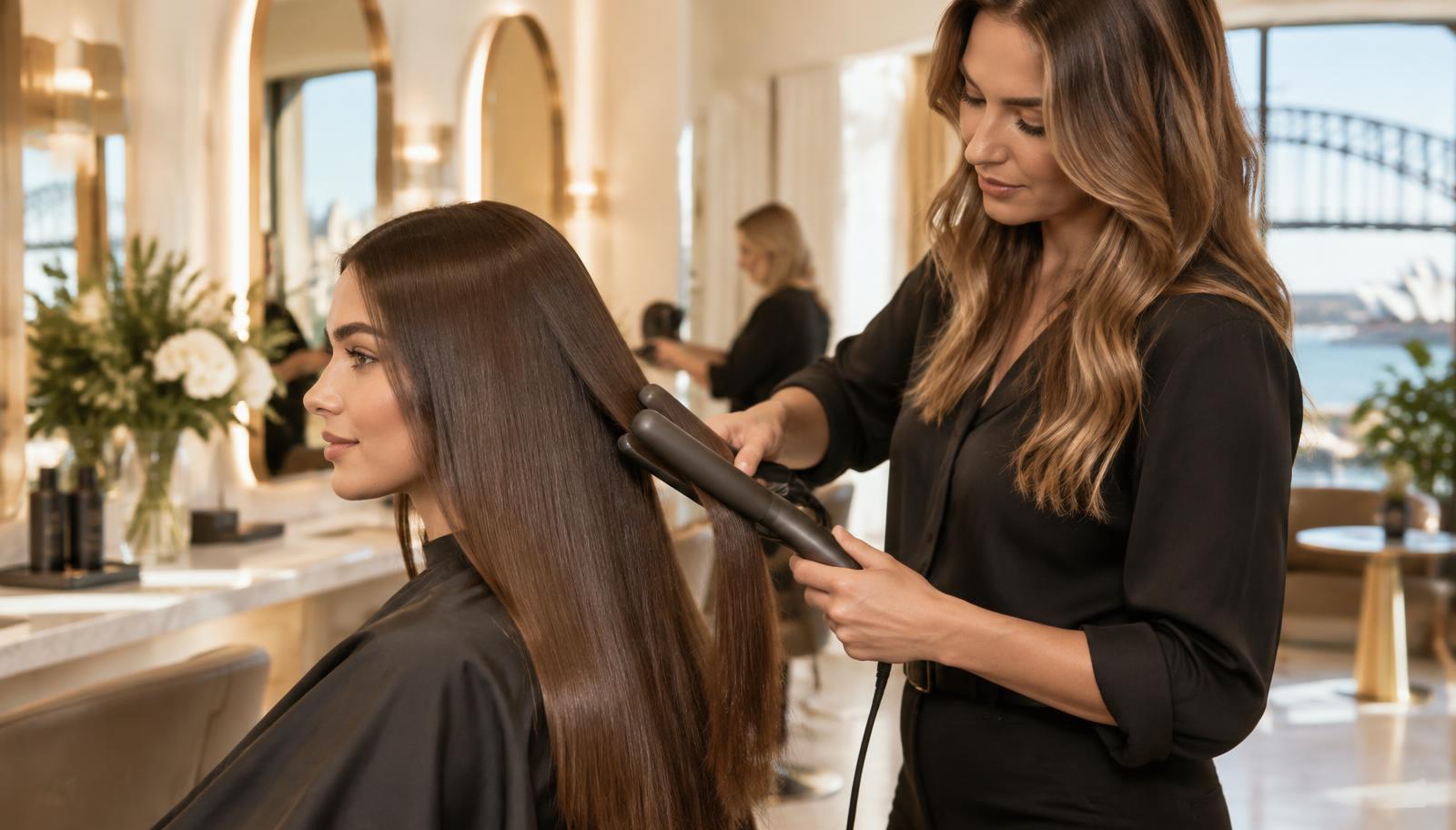
A full service takes two to four hours depending on length and density. The processing step itself needs 40 to 60 minutes once the product is distributed — the reaction is chemical, not visual, and cutting it short is one of the most common reasons a result fades in weeks instead of months.
On coloured and blonde hair, respect the order: nanoplasty first, colour or lightening after a safety interval — never in the same appointment.
Why Australian salons are adding nanoplasty
Humid summers in Sydney, Brisbane, the Gold Coast and Darwin make frizz control one of the most requested results in the chair. Nanoplasty gives salons a premium, rebookable service and a natural home-care sale — and clients who ask for it by name usually arrive ready to book.
What should a nanoplasty consultation establish beyond hair length?
A nanoplasty consultation should establish the client's daily styling goal, chemical history and willingness to maintain the result. Length tells the salon only part of the story: density, porosity, existing texture and the condition of the oldest hair can change the appointment substantially. Ask what the client wants their hair to do after washing, not just how they want it photographed at the salon.
Explore practical details such as early starts, gym attendance, swimming, frequent flights and regular colour appointments. A client wanting easier school-run mornings may have a different brief from someone seeking a sleek event finish. Ask whether they enjoy their natural volume or curls on some days. Explain that nanoplasty and keratin sit within the same professional smoothing category, so the chosen name does not replace an individual assessment.
Record the agreed priorities in plain language: less expansion around the hairline, easier brushing, retained movement or a straighter appearance. Establish which outcomes matter most if they cannot all be promised together. Discuss assessment requirements and a provisional price before reserving the full service. A written brief gives the stylist and client a shared reference when reviewing the result after the first wash.
How do you assess mixed porosity before nanoplasty?
Mixed porosity should be assessed by mapping different areas rather than assigning one condition rating to the entire head. Natural roots, coloured mid-lengths and lightened ends can respond differently even when the hair looks uniform under a blow-dry. Examine the hairline, crown, nape and ends, noting where colour bands or previous chemical work remain.
Ask about lightening performed by other salons, home colour, colour removers and previous straightening. Do not rely on the client's current shade to reveal their history: darker colour can cover previously bleached lengths. Assess the hair in the ways required by professional training, and select representative strands for testing. Where there are clearly different zones, a single convenient strand may not answer the most important questions.
Follow the Vitta Gold Education Manual for exact test and service protocol. Record the starting appearance, handling observations and dried test result so the decision can be explained. If the hair does not support treatment, defer rather than promise that a conditioning product will make it suitable immediately. The assessment should establish whether the planned service is appropriate, not simply find a reason to proceed.
How should blonde and colour clients plan their appointment sequence?
Blonde and colour clients need a coordinated appointment plan before their nanoplasty booking is confirmed. Ask when the colour was last performed, which areas were lightened and what changes are planned next. Include maintenance highlights, toning and major shade changes in that discussion; a client may consider these separate matters even though they affect the salon's overall plan.
Explain that the visible shade can change through a smoothing appointment and that a strand test helps set expectations without guaranteeing an identical result across every area. Where another colourist is involved, encourage clear communication about the service history. Record the client's preferred shade and what they would consider an unacceptable change. This is particularly useful for carefully maintained cool blondes or clients preparing for an event.
Follow the Vitta Gold Education Manual for exact protocol and obtain the relevant guidance for scheduling subsequent colour work. Do not invent a universal interval or assume an extra toner can always be added on the day. Reserve separate appointments where required and explain the likely total commitment before booking. A coordinated plan is easier for the client to budget for than discovering additional visits at checkout.
What should curly clients know before choosing nanoplasty?
Curly clients should understand that a chemical smoothing service can alter their natural pattern, even when the brief is improved manageability rather than a pin-straight finish. Ask whether the client wants to continue wearing curls and how closely they expect those curls to resemble their current pattern. These are central consultation questions, not details to discuss after application.
Look at photographs of the client's own wash-day results and discuss what they like as well as what frustrates them. Frizz, shrinkage, density and uneven definition are different concerns. Someone who values volume may not welcome the same finish as someone whose priority is a flatter silhouette. Be clear that a blow-dried salon photograph cannot demonstrate exactly how the hair will settle after air-drying.
Use representative strand testing and follow the Vitta Gold Education Manual when deciding whether the service can support the brief. Do not create an improvised curl-preservation technique by guessing at processing or heat. If maintaining the exact curl pattern is non-negotiable, discuss non-smoothing styling and care options. A suitable recommendation can be a decision not to book nanoplasty, even when the client initially requested it.
How do section size and appointment handovers affect the result?
Section size and clear handovers affect how consistently a stylist can apply the prescribed nanoplasty technique. Hair should be divided into workable areas that permit controlled distribution and close observation. Dense hair may require more sections and more booking time than fine hair of similar length, so avoid building the appointment around length categories alone.
Prepare the station before starting and keep the assessment notes accessible. If more than one team member is involved, agree who records timings, product usage and completion of each stage. An assistant should know which areas have unusual porosity or colour history before joining the service. A verbal handover supported by a written record is more dependable than a casual instruction to continue where someone stopped.
Follow the Vitta Gold Education Manual for exact sectioning, preparation, processing, rinsing and thermal work. Do not use generic temperatures or pass counts taken from another service. Allow sufficient time for finishing and client education after the technical stages are complete. Consistency comes from following the assessed plan carefully, not from trying to make every appointment fit the same calendar slot.
How can Australian salons price nanoplasty without overpromising?
Nanoplasty pricing should reflect the assessed appointment and make clear what the client is purchasing. For illustration, a salon might plan an introductory menu band of AUD $280–$450 for less complex work and AUD $450–$750 or more for long, dense or technically demanding appointments. These are indicative planning examples, not measured Australian averages or guaranteed prices.
Build your actual quote from labour, product usage, overheads and the time required for assessment and finishing. Clarify whether a consultation is charged separately, whether that fee is credited and whether home care is included. A starting price is useful only when clients can understand which hair is likely to qualify. Confirm additional costs before the service rather than presenting them after application has begun.
Consider the operating realities of your own location. A salon in Melbourne, Perth or Adelaide should assess its own costs rather than copy a Sydney menu, while regional businesses need to account for their own staffing and supply arrangements. Avoid promising a particular result for a fixed number of months as part of the price. Results are typically three to six months, and individual outcomes vary.
What does practical nanoplasty aftercare look like across Australia?
Practical nanoplasty aftercare combines suitable low-sulphate home care with a routine the client can actually follow. Explain the recommended washing, conditioning and styling approach using the relevant product directions. Write down any first-wash or styling instructions from the prescribed protocol so the client does not have to remember a detailed conversation while leaving the salon.
Ask about environmental exposure. Humidity in Sydney and Brisbane can shape the client's expectations for day-to-day styling, while the Gold Coast and Darwin may bring frequent swimming into the discussion. Chlorine and salt water call for a realistic plan, including fresh-water rinsing and a suitable swim cap where practical. Avoid implying that a particular shampoo makes treated hair unaffected by the pool or ocean.
Discuss UV exposure and physical shade for clients who spend long periods outdoors, including beachgoers in Perth and outdoor workers in Adelaide. Clients in Canberra, Hobart and Melbourne may also need a holiday-specific plan even if swimming is not part of their usual week. Tailor the advice to the person rather than the postcode. Maintenance supports the result but does not establish a guaranteed lifespan.
How should salons review nanoplasty results and plan the next visit?
A useful nanoplasty review asks how the hair behaves in the client's normal routine, not simply whether it still looks freshly blow-dried. Keep the original consultation brief, assessment notes and authorised photographs together. Record the finish shown in those photographs so later comparisons distinguish between styled and air-dried hair.
After the client has followed the prescribed first-wash guidance, invite feedback on brushing, movement and the areas they originally wanted to change. If concerns arise, ask for clear photographs and arrange an in-person assessment where needed. Review chemical history, home care and service notes before deciding what should happen next. Do not assume every concern calls for another application or more thermal work.
Results are typically three to six months, but the next appointment should depend on reassessment rather than a rigid repeat date. New growth, remaining smoothing through the lengths and upcoming colour plans all matter. A client returning from an extended coastal holiday may need a different consultation from someone whose routine has not changed. Use rebooking to update the plan and quote, not merely reproduce the previous appointment.
Professional nanoplasty in Australia
In Australia, Vitta Gold professional products are supplied by Elasta, our official local partner: salons can open a professional account, talk to the team on live chat and order with local stock and delivery.
Frequently asked questions
Is nanoplasty the same as nanoplastia?
Yes. Nanoplastia is the original Brazilian name; nanoplasty is the name commonly used in Australia.
How long does nanoplasty last?
Typically three to six months, depending on hair type, technique and home care.
Is nanoplasty formaldehyde-free?
Yes, when performed with a compliant professional line. Verify it with the safety data sheet and full ingredient list, not packaging copy.
Can nanoplasty be done on bleached hair?
In most cases yes, after a strand test that sets processing time and the number of thermal passes.
Can a nanoplasty quote change after an in-person consultation?
Yes, if the initial estimate was clearly provisional and the assessment reveals additional density, length or technical complexity. Explain the revised price and reasons before starting. Clients should be able to accept the confirmed scope or reconsider the booking without discovering unexpected charges during the service.
Does fine hair automatically need a shorter appointment?
No. Fine hair may still be dense, long, lightened or complex to assess. Booking time should reflect the complete head and the prescribed technique. Follow the Vitta Gold Education Manual rather than shortening stages simply because individual strands feel fine or the client has requested an express appointment.
Can a client keep exactly the same curls after nanoplasty?
An identical curl pattern should not be guaranteed. Discuss the possibility of a looser pattern and use representative strand testing to inform the decision. If exact curl retention is essential, styling and home-care alternatives may suit the brief better than a professional chemical smoothing service.
Should clients buy a special shampoo before their appointment?
Ask them to discuss their existing routine first. Recommend suitable low-sulphate home care and explain whether anything else is needed under the prescribed guidance. Clients should not perform their own preparatory cleansing or change products in anticipation unless the salon has given clear, relevant instructions.
Is a holiday a reason to change the timing of nanoplasty?
It can be a reason to plan more carefully. Discuss swimming, UV exposure, luggage-friendly home care and any first-wash requirements before confirming the date. Follow the Vitta Gold Education Manual for exact guidance rather than promising that an appointment immediately before travel suits every client.
References & further reading
- Vitta Gold Academy — What is Nanoplastia? The complete guide for hair professionals
- Vitta Gold Academy — Nanoplastia processing time
- Vitta Gold Academy — Nanoplastia on colour-treated and bleached hair
- Vitta Gold Academy — Nanoplastia on curly hair
- Vitta Gold Academy — How long does Nanoplastia last?
- Gavazzoni Dias MF. Hair cosmetics: an overview. International Journal of Trichology, 2015 (PMC4387693)
- U.S. Food & Drug Administration — Hair smoothing products that release formaldehyde when heated
- World Health Organization, IARC — List of classifications (formaldehyde, Group 1)